


Get to Know Medicine Better
As a university with excellence in information technology, the rapid advancement of Industry 4.0 technologies in the healthcare system, along with the limited number of doctors in Indonesia, presents an opportunity for UDINUS to establish a Medical Study Program
Graduate Profile
The Dean and the Head of the Study Program formulate the graduate profile as the educational outcome, which at minimum outlines the roles that graduates can perform in society upon completion of their studies, in accordance with societal needs
Based on the proposed academic vision of the study program, the graduate profile of the Faculty of Medicine at Dian Nuswantoro University is proposed as follows:
Professionalism
Physicians must demonstrate ethical behavior and uphold moral values, legal principles, and professional standards of medical practice. This includes integrity, empathy, responsibility, and a commitment to patient-centered healthcare.
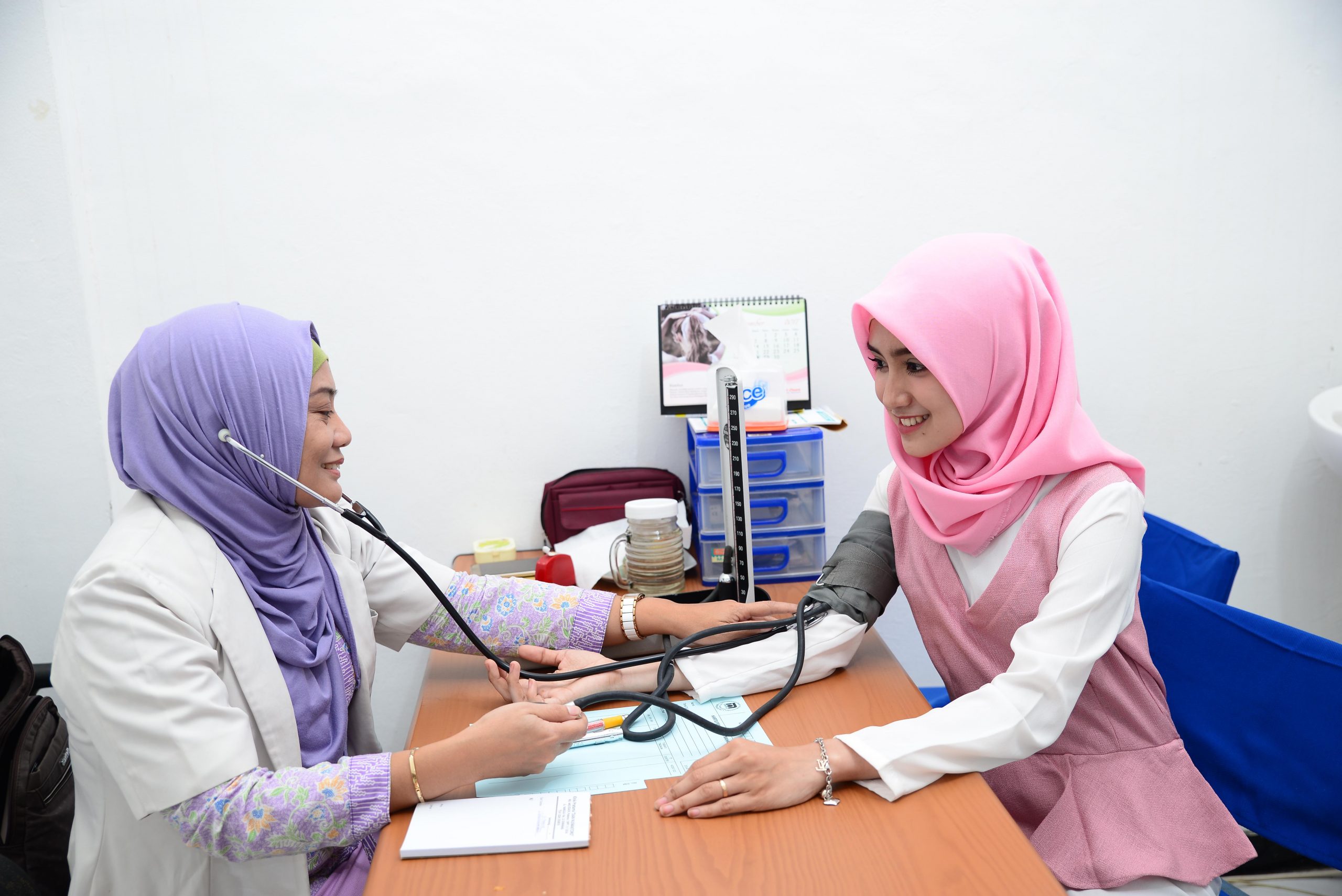
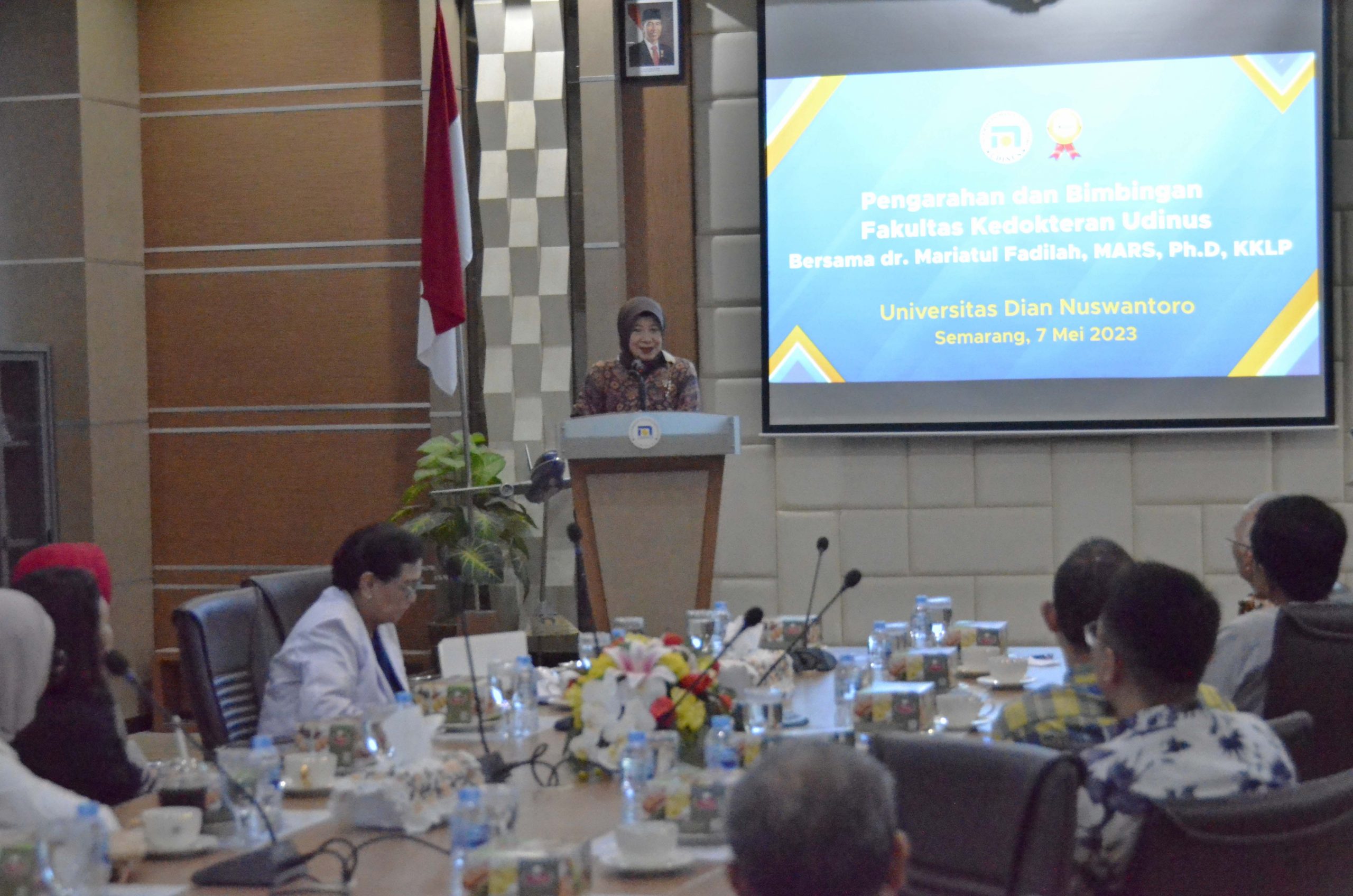
Self-Awareness and Self-Development
Physicians must be able to engage in self-reflection, accept feedback, and pursue lifelong learning. This is essential for improving competence and maintaining the quality of medical care.
Effective Communication
The ability to communicate clearly, empathetically, and effectively with patients, families, colleagues, and other healthcare professionals is essential in clinical practice, including for shared decision-making and patient education.
Information Management
Physicians must be able to access, evaluate, and appropriately use health information and information technology to support evidence-based medical decision-making.
Scientific Foundations of Medicine
Graduates must understand the fundamental scientific principles underlying medical science and be able to apply them in medical practice. This includes physiology, pathology, pharmacology, and other biomedical sciences.

Clinical Skills
Physicians must master fundamental skills in physical examination, clinical procedures, interpretation of diagnostic results, and clinical decision-making to ensure appropriate and safe patient management.
Health Problem Management
Physicians must be able to identify and manage health problems at both individual and community levels comprehensively, including promotive, preventive, curative, and rehabilitative aspects, and understand the healthcare system in Indonesia.
Curriculum
The curriculum of the Faculty of Medicine at Dian Nuswantoro University is designed based on the principles of a competency-based curriculum, in which the expected competencies determine the direction and strategies for curriculum development. The learning approach adopted follows the SPICES model: student-centred, problem-based, integrative, community-based, early clinical exposure/elective, and systematic.
Kurikulum pembelajaran FK UDINUS disusun dalam 2 tahapan pembelajaran, yaitu:
a) Academic Phase and Clinical Phase of Learning. The medical education program consists of an academic phase and a clinical phase. The Medical Study Program represents the academic phase of learning. This academic phase is organized over eight semesters, with a total of 158 credit units (SKS). The credit load per semester ranges from 18 to 20 credits. The learning methods employed include tutorial discussions, expert lectures, clinical skills laboratory sessions, practical classes, assignments, and field trips.
The curriculum structure must be organized in accordance with the sequence of learning outcomes and clearly and comprehensively illustrated in a competency map, while also providing flexibility to accommodate diverse interests and talents through elective courses (elective blocks).
 English
  Indonesian